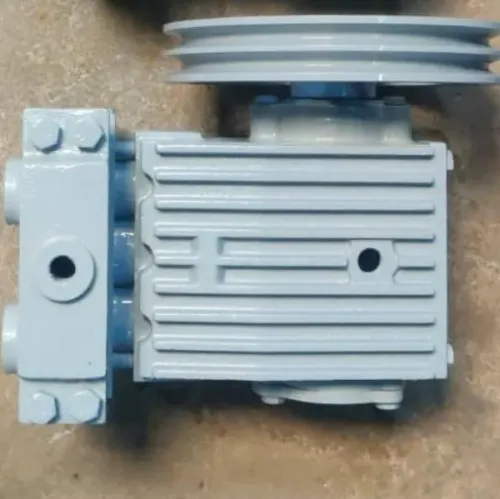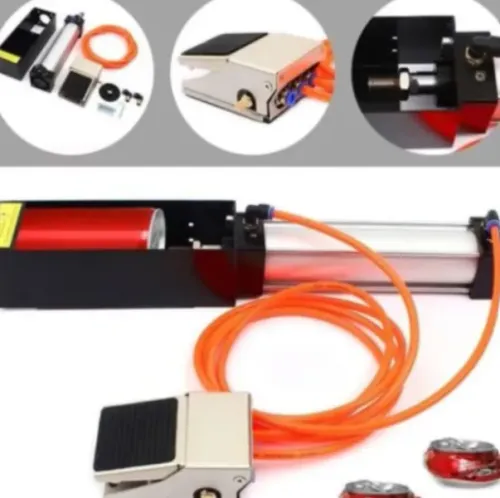
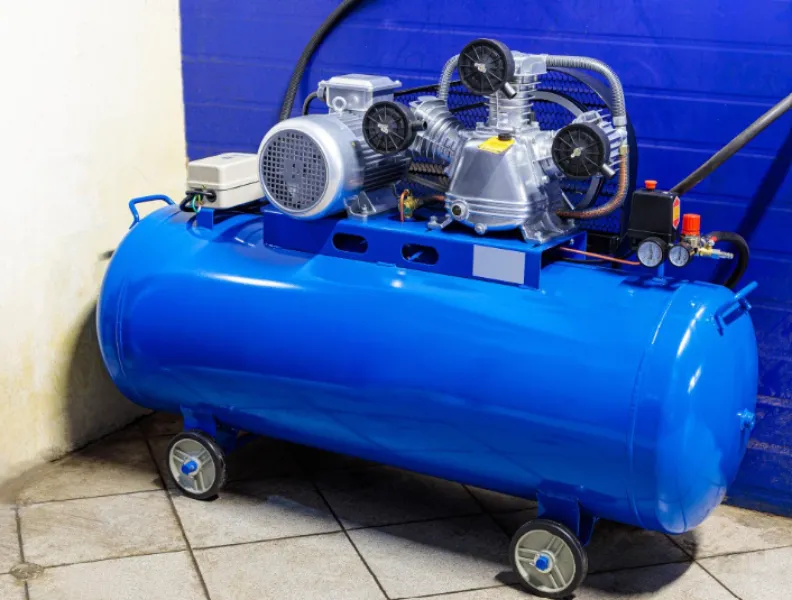
An Automotive Reciprocating Air Compressor can support tyre work, pneumatic tools, air cleaning, and other routine activities within a vehicle workshop. Because compressed air may serve several workstations, selecting the right compressor requires a clear understanding of actual demand.
For automotive businesses in Coimbatore, checking a few essential factors before purchasing can reduce the risk of choosing a compressor that is either undersized or unnecessarily large.
Calculate Air Demand
Begin by listing every tool and activity that will use compressed air.
Examples can include
- Tyre inflators
- Pneumatic impact tools
- Air blow guns
- Selected workshop machinery
- Pneumatic service equipment
Check the air-consumption requirements of the equipment and identify which tools are likely to operate simultaneously.
This provides a better estimate than selecting compressor capacity from workshop size alone.
Check Working Pressure
Different pneumatic tools can require different operating pressures.
The compressor should support the required pressure while also providing adequate air volume.
A system that reaches a high pressure but cannot deliver sufficient air during sustained use may still perform poorly in the workshop.
Consider the Duty Pattern
Reciprocating compressors are commonly suited to intermittent compressed-air requirements, but operating patterns vary widely.
A tyre shop inflating tyres throughout the day has a different duty profile from a workshop using an impact tool occasionally.
Understanding how often and how long the compressor will run is essential when evaluating capacity.
Evaluate Receiver Capacity
An air receiver stores compressed air and helps accommodate changes in demand.
Receiver selection should form part of the complete compressed-air design rather than being treated as an isolated specification.
The appropriate size depends on compressor capacity, application, and demand fluctuations.
Look at Installation Conditions
The compressor needs an appropriate installation environment.
Important considerations can include
- Ventilation
- Accessibility
- Floor space
- Electrical supply
- Air piping
- Drainage arrangements
- Distance from work areas
Installing the compressor in an excessively dusty, hot, or poorly ventilated location can create avoidable operating problems.
Ask About Maintenance Requirements
Before purchasing, understand what routine maintenance will be necessary.
Depending on compressor design, checks may involve
- Lubrication
- Air filters
- Drive belts
- Fasteners
- Air leaks
- Receiver drainage
- Valves and fittings
A maintenance schedule is particularly important in a commercial environment where equipment downtime can affect workshop productivity.
Look for Application-Based Guidance
Provider selection should involve more than requesting a quotation for a compressor of a particular size.
A useful supplier discussion should cover the actual workshop application, connected tools, pressure requirements, expected operating hours, and available installation conditions.
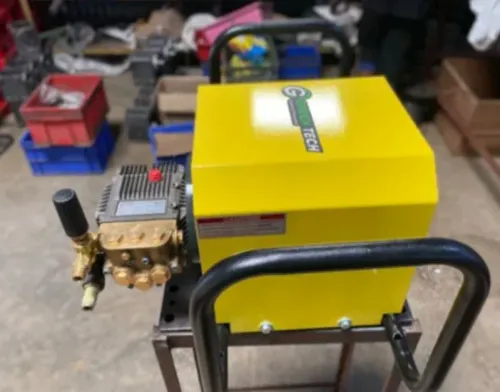
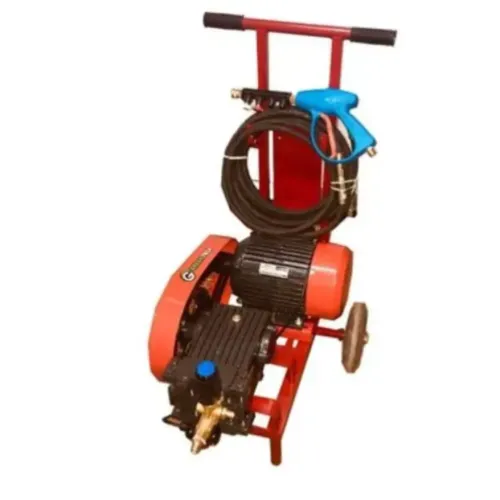
Greentech High Pressure Washer Pumps serves automotive equipment requirements from Coimbatore and manufactures reciprocating air compressors alongside pressure-washing equipment. Automotive businesses evaluating compressor options can use application details to narrow down the appropriate configuration.
Plan for Realistic Growth
If a workshop expects to add pneumatic tools or another service bay, future air demand should be considered. At the same time, dramatically oversizing equipment without a clear reason can add unnecessary capital and operating costs.
Coimbatore's automotive service market supports passenger vehicles, two-wheelers, commercial fleets, tyre businesses, and engineering operations throughout western Tamil Nadu.
An Automotive Reciprocating Air Compressor should therefore be selected using measurable workshop requirements. Air demand, pressure, receiver capacity, duty pattern, installation conditions, and maintenance support provide a much stronger basis for purchasing than choosing equipment by motor rating or price alone.
Keywords