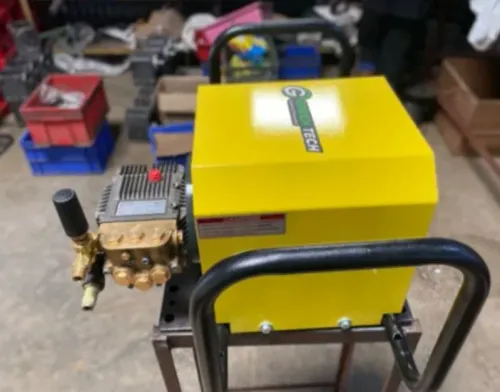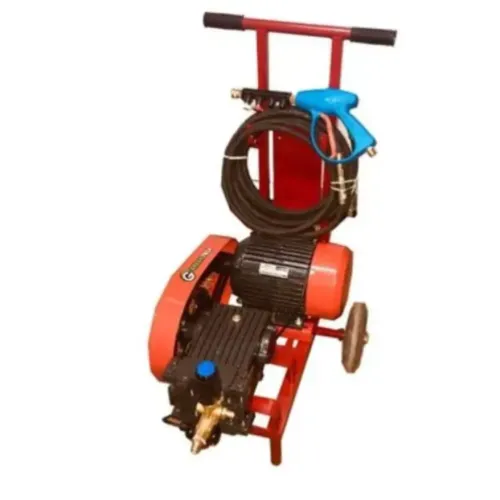
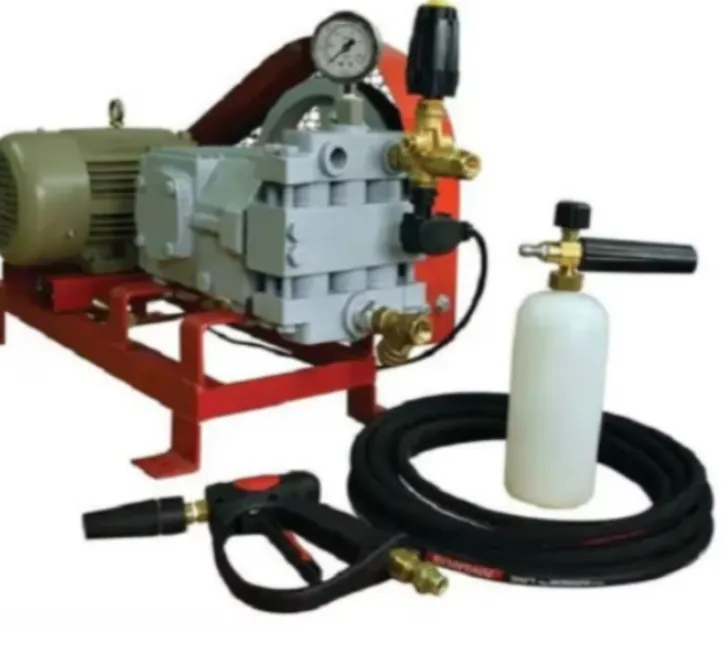
A Bike Portable High Pressure Washer can help motorcycle service centres and cleaning businesses remove road dirt, mud, and grime efficiently. Motorcycles, however, have many exposed mechanical and electrical components, so pressure washing requires more control than simply directing a strong jet of water across the entire vehicle.
For bike garages and service centres in Coimbatore, good washing technique is just as important as the pressure washer itself.
Why Motorcycles Need Controlled Pressure Washing
Unlike cars, motorcycles leave many components exposed. Electrical connectors, bearings, chain assemblies, controls, seals, radiator fins, and engine components may be directly accessible during washing.
A pressure washer can be effective for larger surfaces and heavily soiled areas, but operators need to avoid concentrating excessive force on vulnerable components.
Useful applications can include cleaning
- Mudguards
- Wheels
- Tyres
- Selected engine exterior areas
- Lower frame sections
- Road-dirt deposits
- Suitable body panels
The pressure and working distance should be adjusted according to the component being cleaned.
Avoid Treating Every Area the Same Way
One of the most important motorcycle-washing practices is recognising that different parts require different treatment.
For example, stubborn mud around a tyre may tolerate a different cleaning approach from instrument panels or electrical connectors.
Operators should be cautious around
- Electrical connections
- Switchgear
- Bearings
- Seals
- Chain components
- Air intake areas
- Instrument clusters
- Radiator fins
A powerful concentrated jet directed too closely at sensitive components can create unnecessary risk.
Use Working Distance to Control Cleaning Force
Moving the nozzle closer increases the force concentrated on the surface. Increasing the distance generally reduces the intensity.
A practical approach is to begin farther away and move closer only when required.
The spray pattern also matters. A wider spray can be useful for general rinsing, while more concentrated cleaning should be reserved for suitable surfaces and stubborn deposits.
Start With Loose Dirt
If a motorcycle is covered with dry dust, mud, or grit, removing loose contamination before detailed cleaning can help.
A sensible sequence may include
- Allow hot components to cool.
- Remove or loosen heavy deposits.
- Rinse suitable areas.
- Apply an appropriate cleaning product where required.
- Use controlled pressure for stubborn contamination.
- Rinse thoroughly.
- Dry the motorcycle and inspect sensitive areas.
This structured approach reduces unnecessary repeated pressure washing.
Portability Can Help Busy Bike Workshops
Motorcycle service businesses often have limited floor space. A portable washer can be moved to the required cleaning location and stored when not in use.
This can be valuable for workshops handling motorcycles and scooters throughout the day.
Before choosing equipment, consider hose reach, machine size, water connection, power availability, movement between bays, and typical daily workload.
Maintenance Affects Washer Performance
A washer used regularly in a busy service centre should receive routine inspection.
Operators should monitor
- Water inlet condition
- Hose condition
- Connections
- Nozzles
- Pump operation
- Unusual vibration or noise
- Leaks
Using an adequate clean-water supply is also important because contaminants entering the pump can affect equipment performance.
Coimbatore has a substantial two-wheeler population and an active network of motorcycle garages, service centres, and vehicle-cleaning businesses. For these operators, washing equipment needs to balance effective cleaning with controlled application.
A Bike Portable High Pressure Washer can support faster and more organised motorcycle cleaning when it is used with the right nozzle, suitable working distance, and attention to sensitive components. The best results come from controlled technique rather than maximum pressure.
Keywords