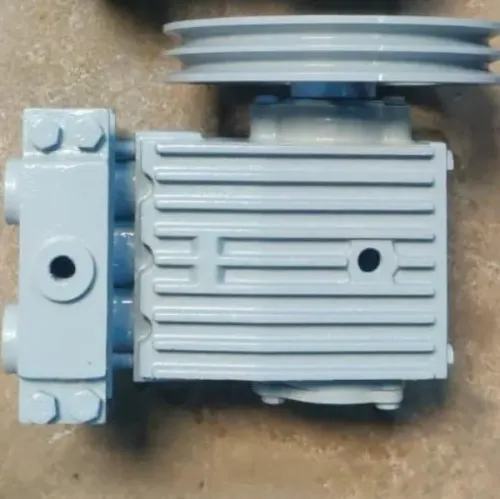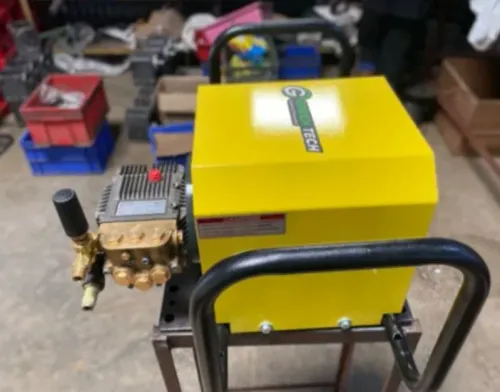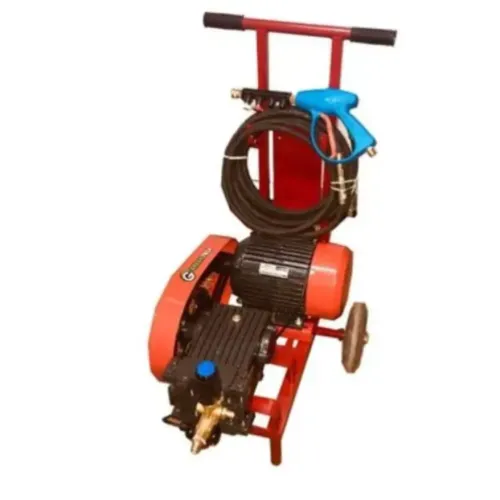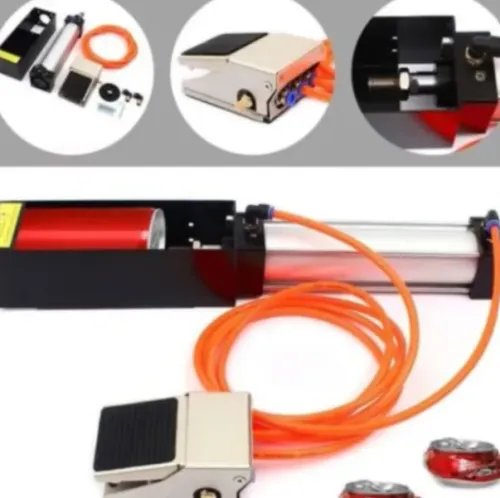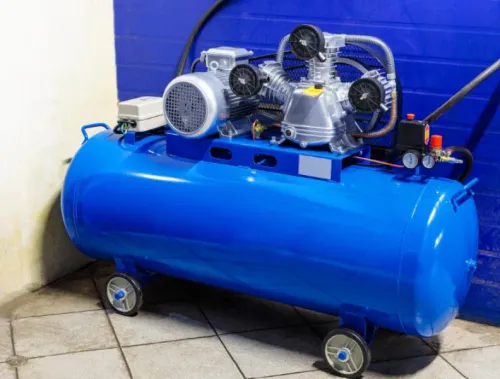
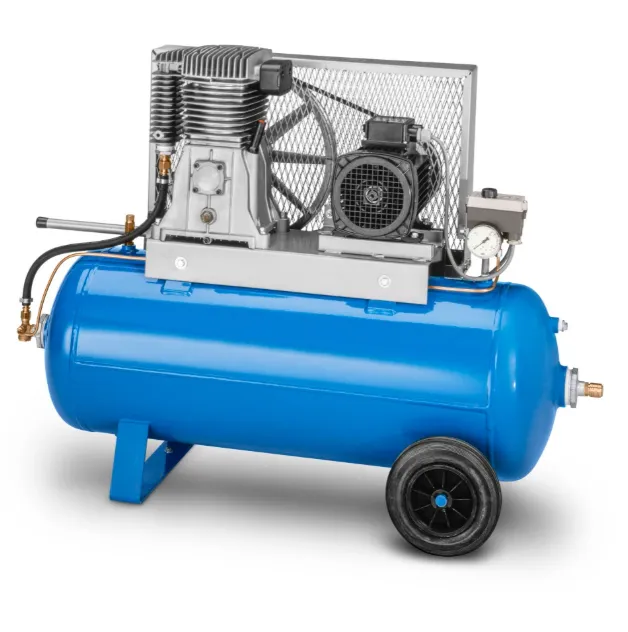
A Reciprocated Air Compressor is widely used in automotive workshops, garages, tyre service centres, maintenance facilities, and other businesses that require compressed air at regular intervals. For businesses in Coimbatore and other industrial parts of Tamil Nadu, understanding how this type of compressor works can make it easier to assess whether it suits everyday workshop requirements.
A reciprocating air compressor works by drawing atmospheric air into a cylinder and compressing it through the movement of a piston. The operating principle is similar to the piston movement found in an internal combustion engine, although its purpose is to compress and supply air rather than generate vehicle propulsion.
How Does a Reciprocating Air Compressor Work?
The basic compression cycle involves a few important stages
- Air intake Atmospheric air enters the compressor cylinder through an inlet valve.
- Compression A piston moves inside the cylinder and reduces the available volume, increasing the air pressure.
- Discharge Once the required pressure is reached, compressed air passes through the discharge valve.
- Storage or use Depending on the system, the compressed air may enter an air receiver before being supplied to pneumatic equipment.
This repeated piston movement makes reciprocating compressors particularly suitable for applications where compressed air is required intermittently.
Where Are These Compressors Used?
Automotive workshops can use compressed air for several routine activities. Typical applications include
- Tyre inflation
- Pneumatic tools
- Air cleaning
- Component cleaning
- Workshop equipment
- Selected spray applications
- Vehicle maintenance operations
- General service-bay requirements
The exact suitability depends on required air pressure, air delivery, operating duration, connected equipment, and the number of tools likely to operate simultaneously.
Why Compressor Capacity Matters
A common mistake is evaluating a compressor based only on maximum pressure. Pressure is important, but air delivery is equally significant.
A pneumatic tool may require a particular pressure while also consuming a certain volume of air. If the compressor cannot replenish air quickly enough, pressure can fall during operation and tool performance may become inconsistent.
Workshops should therefore consider factors such as
- Required working pressure
- Air delivery capacity
- Receiver size
- Duty cycle
- Number of pneumatic tools
- Frequency of operation
- Available electrical supply
A small workshop with occasional tyre inflation requirements may have very different needs from a commercial vehicle maintenance facility operating several pneumatic tools throughout the day.
Single-Stage and Multi-Stage Compression
Reciprocating compressors are available in different configurations. In a single-stage arrangement, air is compressed to its final pressure in one cylinder or compression stage.
Multi-stage systems compress air progressively. The appropriate configuration depends on the required operating pressure, capacity, and application.
Rather than assuming that a larger compressor is automatically better, workshops should match equipment capacity with actual demand.
Maintenance Is Important for Reliable Operation
Like other mechanical equipment, reciprocating compressors require routine attention. Maintenance requirements can include checking lubrication, belts, filters, fittings, valves, and air leakage.
Air receiver drainage is another important consideration because moisture can accumulate as compressed air cools.
Keeping the air intake area relatively clean is especially relevant in automotive workshops where dust and contaminants may be present.
Understanding Workshop Requirements First
Coimbatore has a strong automotive, engineering, manufacturing, and service-sector ecosystem. For garages and vehicle maintenance businesses across the city and surrounding Tamil Nadu industrial areas, compressed-air requirements can vary considerably.
Before selecting a reciprocating compressor, it helps to list every intended application and determine which equipment may operate at the same time. This provides a more realistic basis for estimating pressure and air-delivery requirements.
A Reciprocated Air Compressor should ultimately be selected around actual operating conditions rather than capacity figures viewed in isolation. Understanding pressure, air volume, usage frequency, and maintenance requirements helps workshops build a compressed-air setup that supports practical day-to-day operations.
Keywords