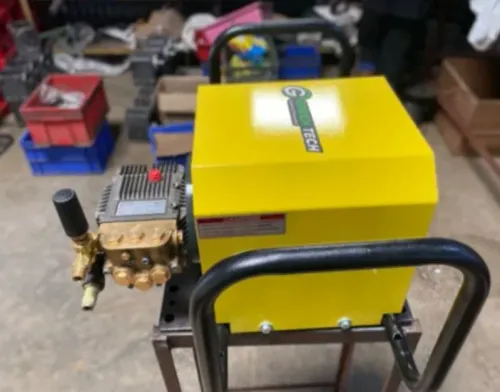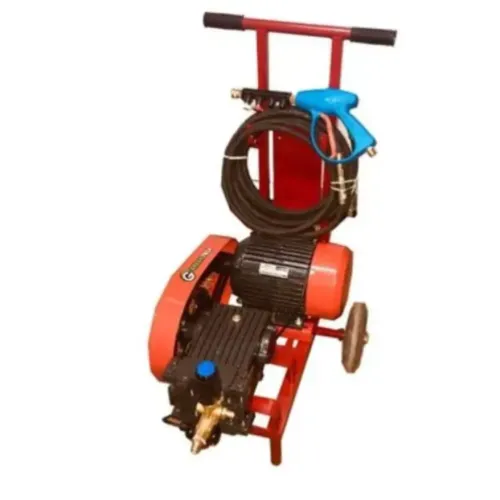
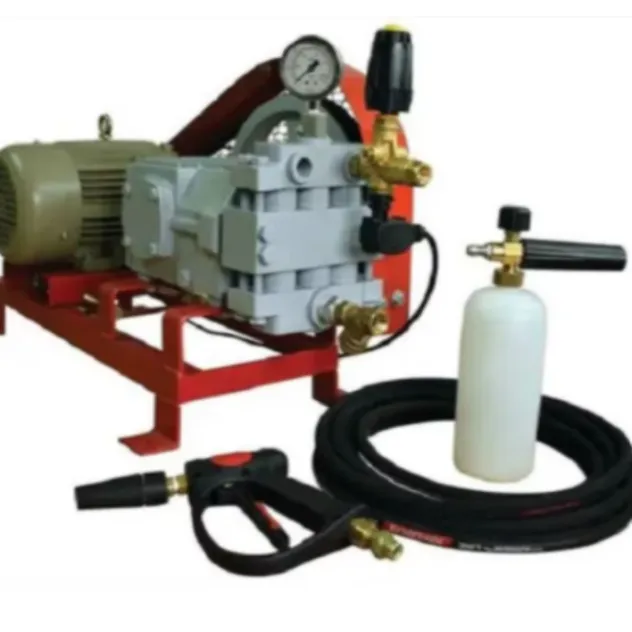
Scooters are used extensively for commuting, deliveries, business travel, and personal transportation. For service centres handling a steady flow of these vehicles, cleaning can become a repetitive part of daily operations. A Scooters Portable High Pressure Washer can help streamline the process when equipment and washing practices are matched correctly.
In Coimbatore, scooter workshops and multi-brand two-wheeler service businesses often need to balance cleaning speed with careful handling of exposed and sensitive components.
Identify Where Time Is Being Lost
Before investing in equipment, a service centre should examine its current washing workflow.
Common sources of inefficiency include
- Repeated manual removal of dried mud
- Moving vehicles unnecessarily
- Insufficient hose reach
- Poorly organised washing areas
- Repeated rinsing
- Inconsistent cleaning methods between employees
A portable pressure washer may address some of these issues, but workflow improvements should accompany equipment selection.
Use Pressure Where It Adds Value
Not every part of a scooter needs strong water pressure.
Pressure washing is most useful where contamination is difficult to remove through light rinsing. Wheels, tyres, mudguards, and suitable lower exterior areas are common examples.
Areas containing electrical components, bearings, controls, seals, and sensitive finishes require greater care.
Establish a Standard Washing Sequence
A repeatable process can make cleaning more consistent.
For example
- Position the scooter safely.
- Allow hot components to cool.
- Inspect for loose parts or damaged areas.
- Remove heavy loose dirt.
- Pre-rinse appropriate surfaces.
- Apply suitable cleaning agents where necessary.
- Use controlled pressure on stubborn contamination.
- Complete the final rinse.
- Dry and inspect the vehicle.
Standardisation can also help new staff learn appropriate cleaning practices.
Select Equipment Around Peak Workload
A workshop may normally handle a modest number of scooters but experience much higher volumes on weekends or during seasonal service periods.
Equipment should be assessed against realistic peak demand.
Ask how long the washer may operate during the busiest period and whether pauses between vehicles are common.
Improve the Washing Area
Equipment alone cannot solve a poorly organised workspace.
A dedicated or clearly defined cleaning zone should provide convenient access to water and electricity while allowing proper drainage.
Hoses and cables should be positioned to minimise trip hazards and prevent interference with other workshop activities.
Portable equipment can be useful because it can be repositioned or stored once washing is complete.
Keep Nozzles and Connections in Good Condition
An inconsistent spray pattern or leaking connection can reduce cleaning efficiency.
Regular inspection of nozzles, hoses, fittings, and inlet components helps ensure that the washer operates as intended.
The water supply should also be suitable for the equipment.
Assess Productivity in Practical Terms
Instead of focusing solely on equipment specifications, workshops can measure whether a new washing setup actually improves operations.
Track factors such as
- Average cleaning time per scooter
- Number of vehicles handled
- Rewashing frequency
- Staff effort
- Equipment movement
- Water-use practices
These observations provide a practical basis for refining the workflow.
Coimbatore's large two-wheeler market creates steady demand for scooter maintenance and cleaning services across Tamil Nadu's automotive service sector. A Scooters Portable High Pressure Washer can be valuable in this environment when selected according to workload and used through a controlled process.
For service centres, the strongest gains often come from combining suitable equipment with better workflow, careful pressure control, and routine maintenance rather than relying on water pressure alone.
Keywords