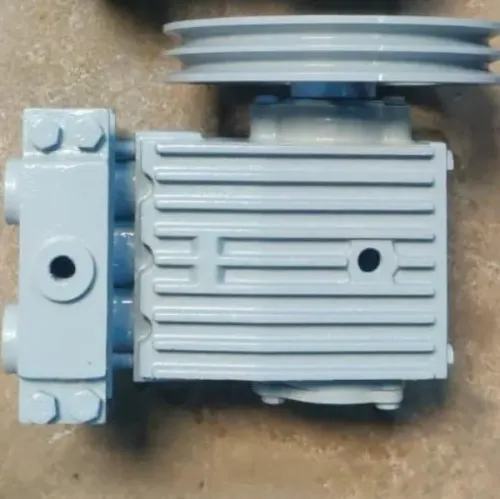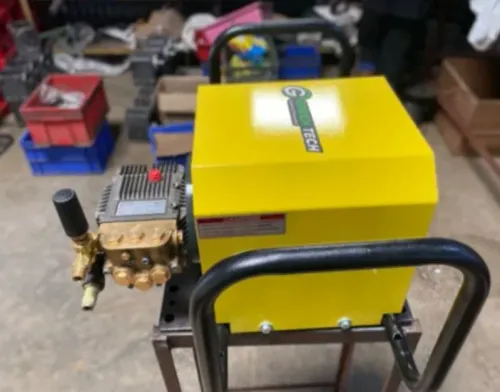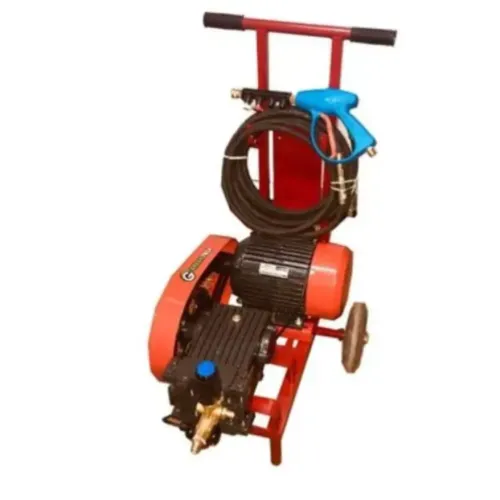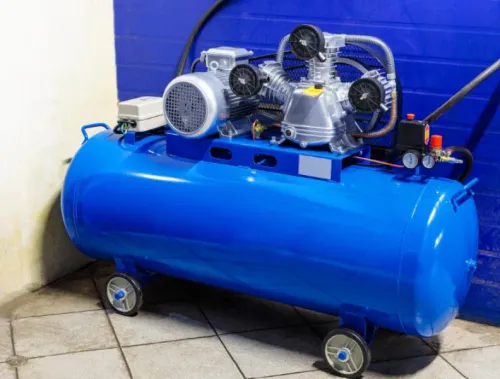
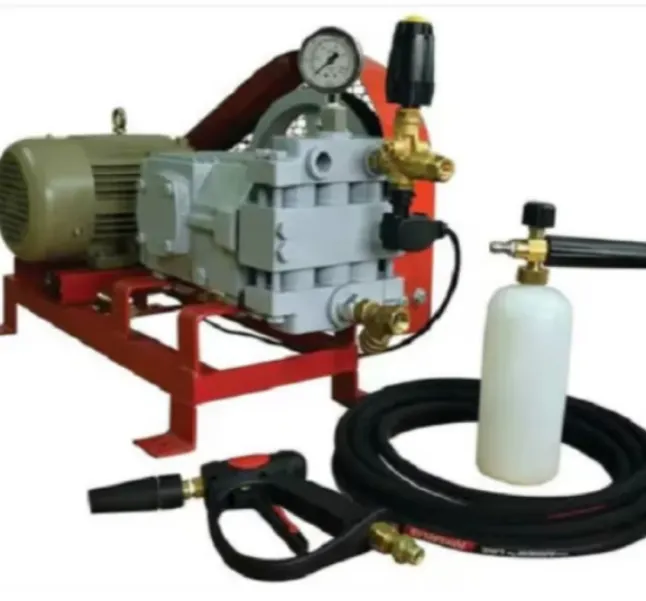
A Two Wheeler Portable High Pressure Washer can help motorcycle and scooter service centres improve cleaning speed, maintain a more organised workflow, and handle regular vehicle washing with greater consistency. For workshops in Coimbatore, where two-wheelers are used extensively for daily commuting, delivery work, and commercial mobility, efficient washing equipment can become an important part of routine servicing.
Two-wheelers often arrive at workshops with dust, dried mud, road grime, oily deposits, and dirt around wheels and lower body areas. Removing this contamination manually can take considerable time, especially when a service centre handles many vehicles in a day. A portable high pressure washer helps loosen stubborn deposits using controlled pressurised water, reducing repeated manual rinsing and scrubbing.
Why Portable Pressure Washing Suits Two-Wheeler Workshops
Motorcycle and scooter service centres usually work within limited floor space. Vehicles may move between inspection, repair, washing, and delivery areas throughout the day.
Portable equipment gives technicians greater flexibility because the washer can be moved to the required cleaning area rather than permanently occupying one position.
This can be useful for:
- Motorcycle service centres
- Scooter repair workshops
- Multi-brand garages
- Vehicle detailing businesses
- Delivery fleet maintenance facilities
- Two-wheeler washing centres
- Dealer service workshops
The equipment can also be stored when cleaning activities are complete, helping workshops use available floor space more efficiently.
Match Water Pressure to the Cleaning Area
Pressure washing works best when water force is matched to the surface being cleaned.
Two-wheelers have several exposed components that require controlled handling. Wheels, tyres, mudguards, selected body panels, and lower frame areas may tolerate different cleaning intensities.
Extra care is needed around:
- Electrical connections
- Instrument panels
- Bearings
- Seals
- Switchgear
- Chain assemblies
- Air intake areas
- Radiator fins
- Sensitive painted surfaces
Operators should avoid directing a concentrated jet too closely at vulnerable components.
Starting with a wider spray pattern and greater working distance allows the operator to assess how much pressure is actually required.
Use a Structured Cleaning Process
A consistent washing sequence can improve both speed and cleaning quality.
A practical workflow may include:
- Positioning the vehicle securely
- Allowing hot engine or exhaust components to cool
- Inspecting for loose or damaged parts
- Removing heavy loose dirt
- Pre-rinsing appropriate surfaces
- Applying suitable cleaning products where required
- Using controlled pressure on stubborn deposits
- Completing the final rinse
- Drying and checking sensitive areas
Following a repeatable process can also help workshop staff maintain consistent cleaning standards across different vehicles.
Consider Daily Vehicle Volume
The right washer should be selected according to how often it will be used.
A small garage cleaning a few motorcycles per day has different requirements from a busy service centre handling a continuous stream of two-wheelers.
Before choosing equipment, consider:
- Average vehicles washed per day
- Peak workshop workload
- Average cleaning time
- Length of continuous operation
- Type of contamination usually encountered
- Number of technicians using the equipment
These factors help determine whether the washer is suitable for the actual operating pattern.
Check Water Flow Along With Pressure
Pressure is only one part of effective washing.
Water flow also influences how efficiently loosened contamination is carried away from the vehicle. A practical balance between pressure and water delivery can make vehicle cleaning more effective without relying on excessive force.
Businesses should therefore avoid selecting equipment solely on the highest pressure rating.
Pay Attention to Hose Reach and Mobility
A portable washer should be easy to move around the workshop.
Suitable hose length allows technicians to clean different sides of the vehicle without repeatedly repositioning the machine. At the same time, hoses should be managed properly to prevent them from becoming obstacles within a busy service area.
Workshop owners should consider:
- Equipment weight
- Wheel or handle arrangement
- Hose length
- Cable reach
- Storage space
- Water connection location
These practical details directly influence everyday usability.
Maintain the Washer Regularly
Commercial washing equipment requires routine inspection to maintain consistent performance.
Technicians should periodically check:
- Water inlet condition
- Hose connections
- Nozzles
- Pump operation
- Fittings
- Leaks
- Unusual noise or vibration
Using an appropriate water supply and keeping inlet components clean can also support dependable pump operation.
Greentech High Pressure Washer Pumps serves automotive cleaning requirements from Coimbatore, where two-wheeler workshops and service businesses operate across a strong automotive market in Tamil Nadu.
A Two Wheeler Portable High Pressure Washer is most useful when its pressure, water flow, portability, hose reach, and operating capacity are matched to the workshop's actual workload. Combining suitable equipment with controlled washing practices can help service centres achieve faster, safer, and more consistent vehicle cleaning as part of their daily operations.
Keywords